Yesterday we ventured out of Tokyo to see a certain famous volcano. Hayley had booked a tour that would take us both to the mountain itself and also to a good place for viewing it. We had a 6am start to make our way to the tour pickup point and there we boarded a coach.
Onboard the coach our tour guide introduced himself by his full name, and then said that the shortened form, Shu, was much easier. He held up his shoe as a helpful pronunciation aid. This sort of light humour was typical of his commentary throughout the day.
The journey through Tokyo was mostly on elevated freeways with large barriers so there wasn’t a lot to see. We did pass a couple of giant nets shaped in a semicircle several stories high. Shu explained that these were golfing driving ranges, with the nets designed to ensure no golf balls could be accidentally shot out of the range.
He gave us an interesting facts about Japan as we drove through Tokyo and out into its suburbs. I was going to include a couple of these here, but I just googled them to check and I couldn’t find any sources that agreed with Shu. So he was entertaining, but not necessarily accurate.
I’m always interested to see what standard suburban houses look like in different countries. Japanese houses seem mostly similar to Australian in design and materials, but they tended to be two story and have a smaller floor area.
While Shu may not have been totally accurate with his historical and geographic facts, he did do a good job as tour guide, starting by pointing out our first view of Mount Fuji.
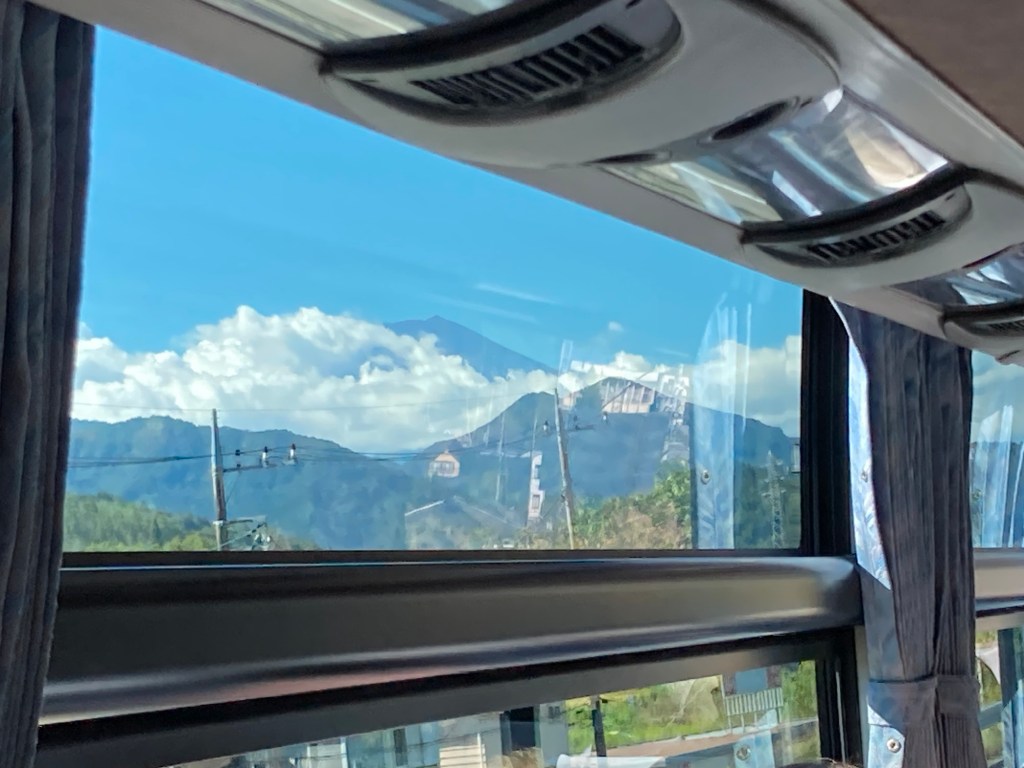
Most of the mountain was covered by clouds, but we could see part of the top. Unfortunately the clouds later rose a little and covered the top completely, so we never got a full view, but enough was visible to get an idea of the amazing scale of the mountain.
We quickly passed through the suburbs and out into mountainous country. Travelling through actual mountains reminds you that Australia really only has large hills. The topography is so much more extreme; the land just goes up and down in a way you don’t see even in places like the Blue Mountains. There were several tunnels through mountains where a road over or around would have been impossible.
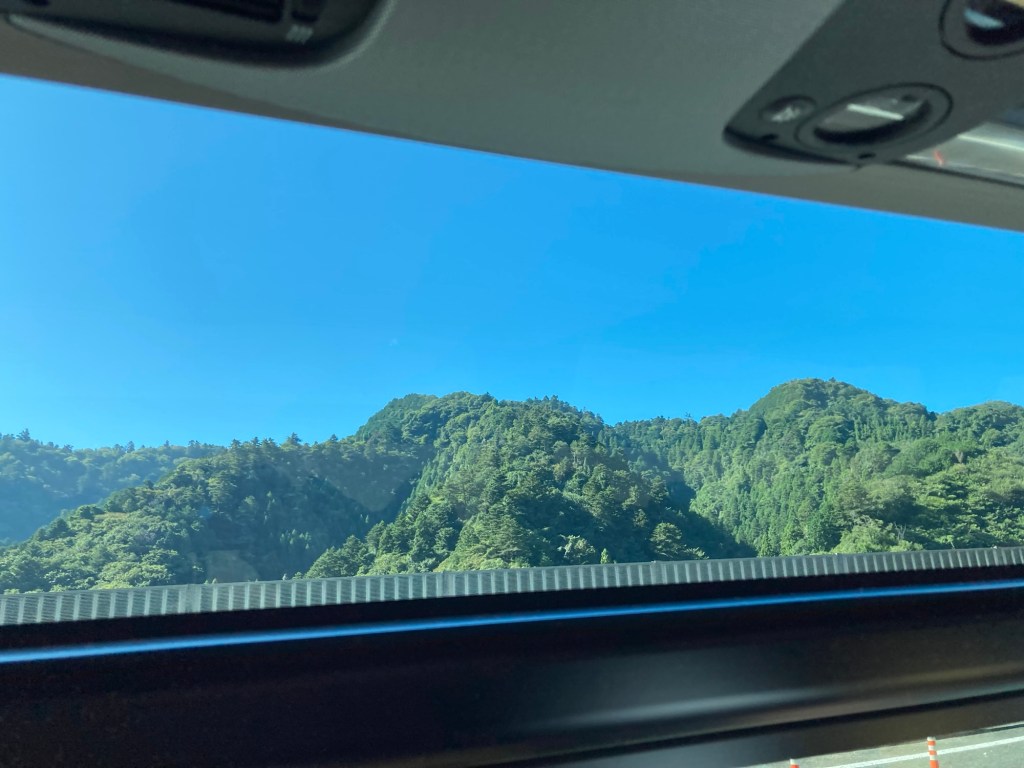
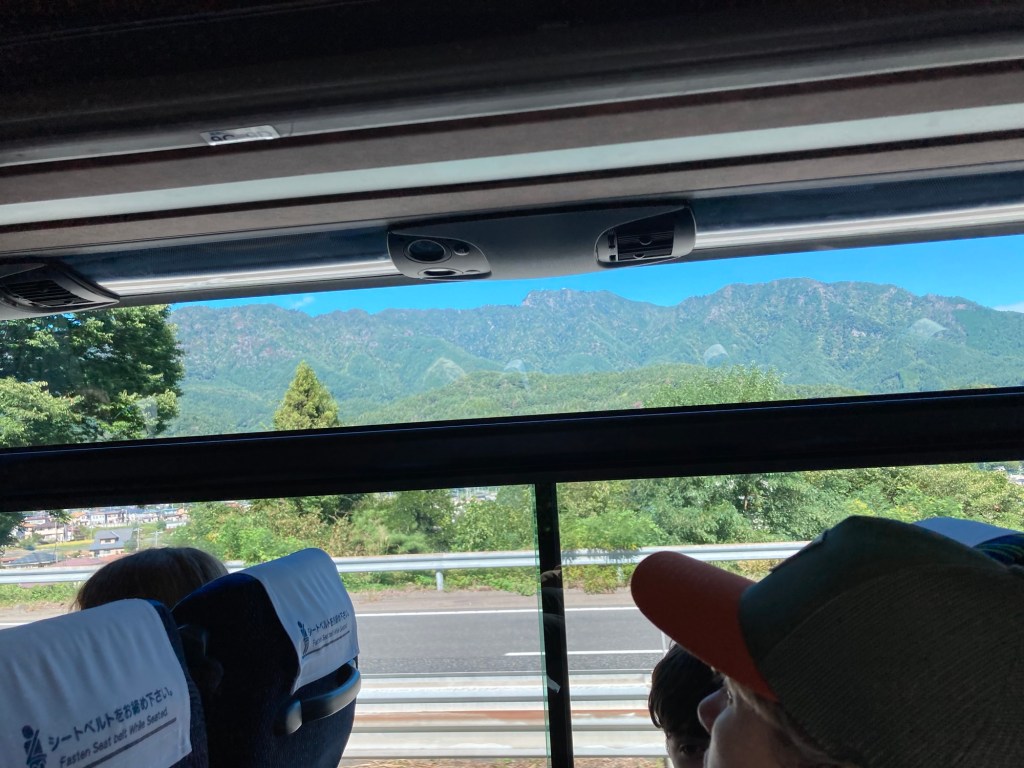
We arrived at the base of Mount Fuji and the road began a winding climb through a beautiful forest. It was clearly old, but the trees were much thinner that I was used to in old forests.
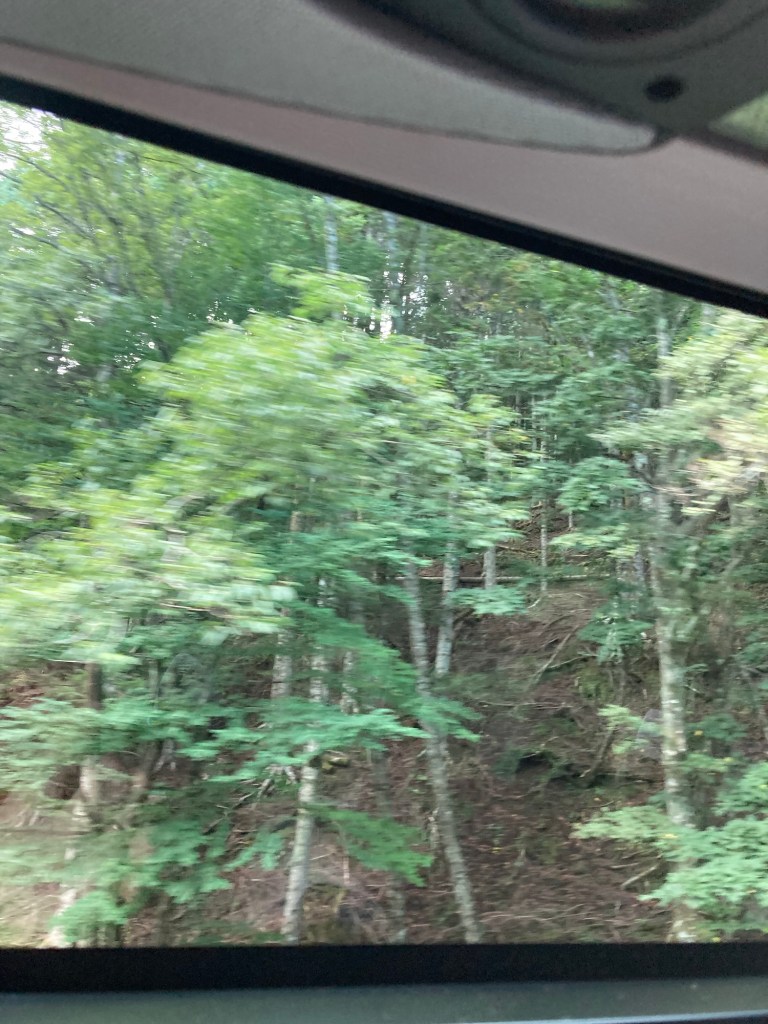
As we ascended the views through gaps in the trees were spectacular.
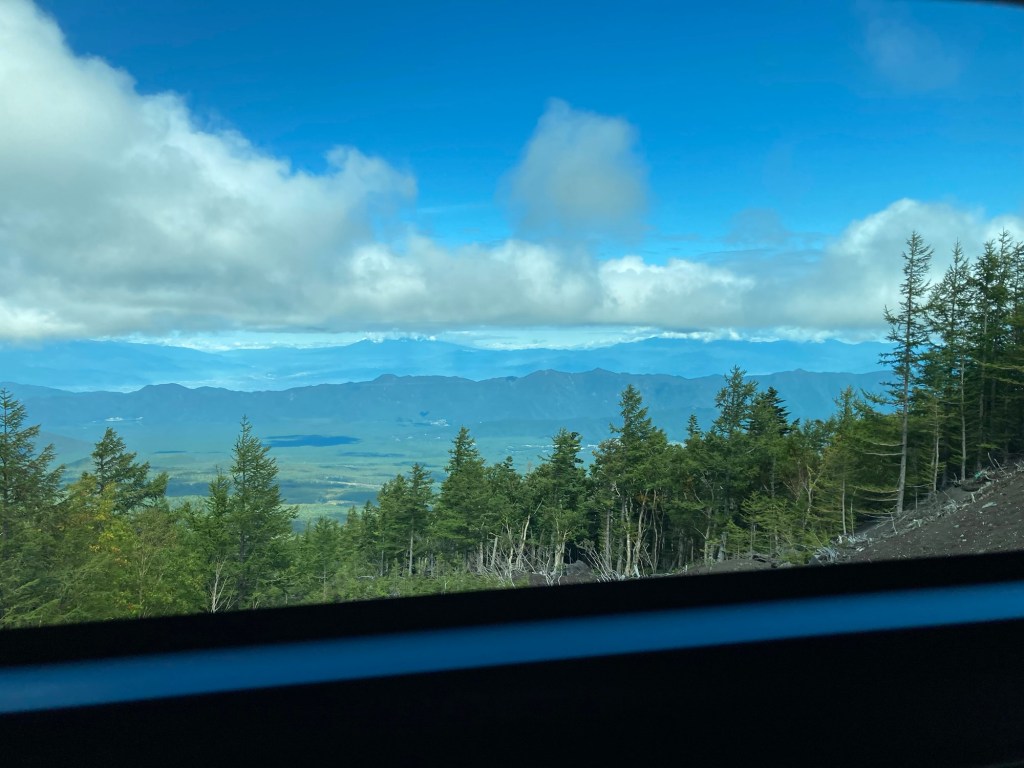
We arrived at the 5th station, which seems to be the highest point for the roads. There was a massive souvenir shop, but the tour was only stopped there for 45 minutes, so we decided to explore the surroundings instead.
Xavier spotted some horses and Hayley and the boys were quickly drawn into taking a ten minute horse ride along the first bit of the trail up the mountain.
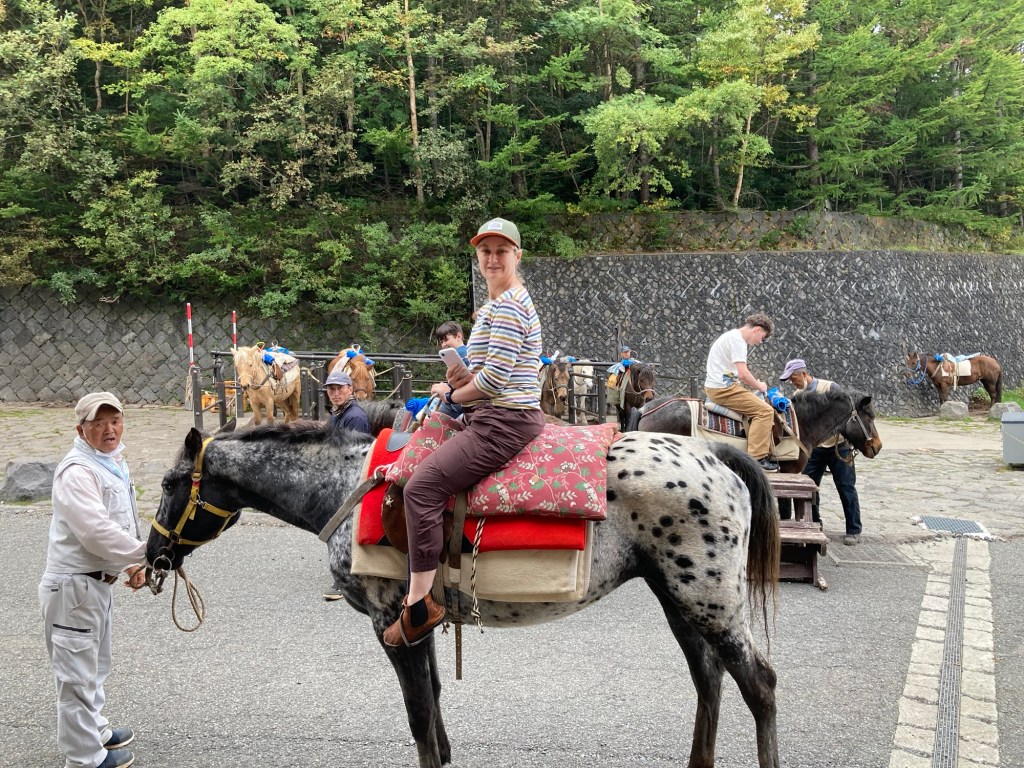
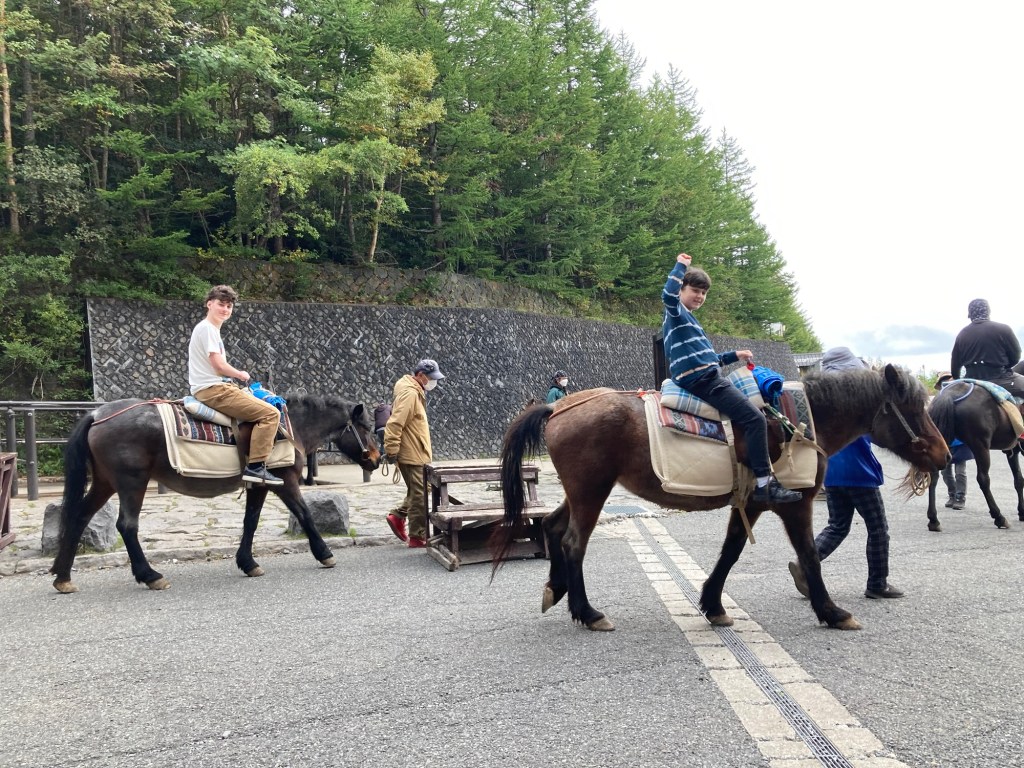
I was more interested in exploring the trail on foot. We could only go along a small part in the time we had, but for that section it was a wide path carved into the side of the mountain on a gentle incline.
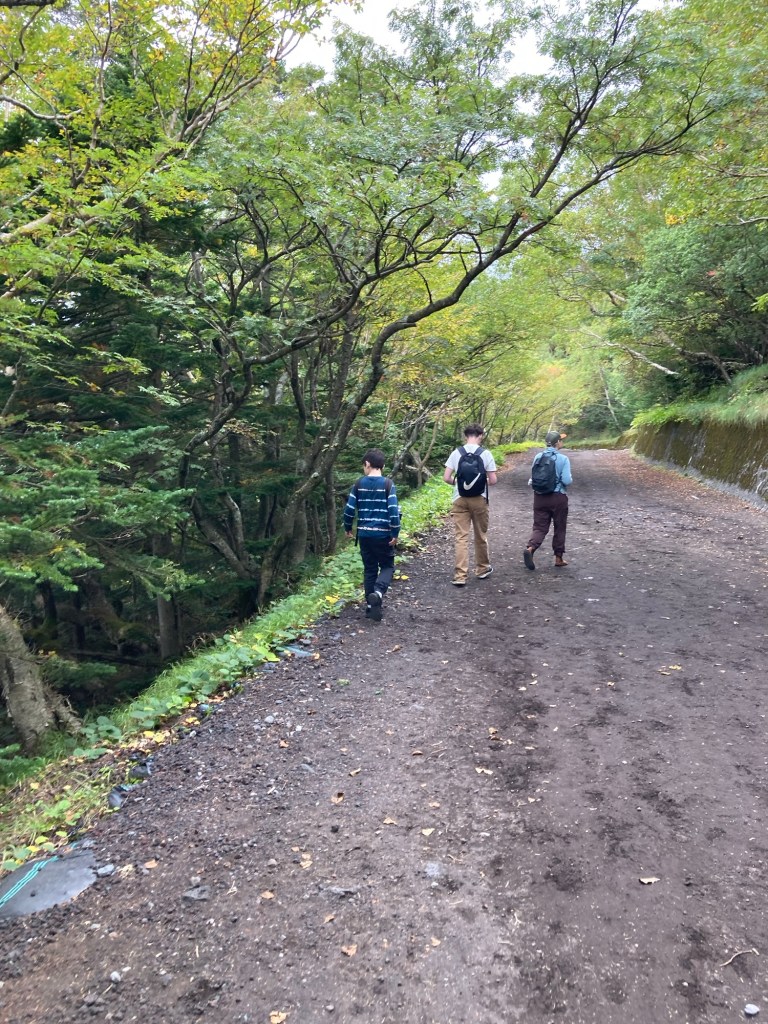
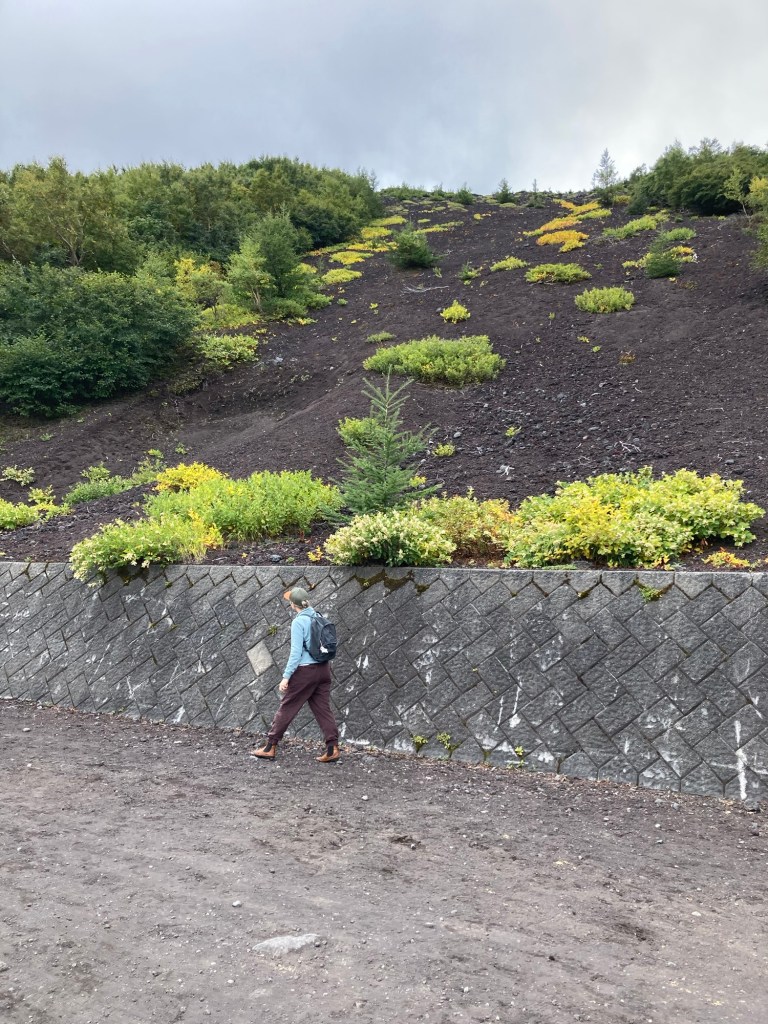
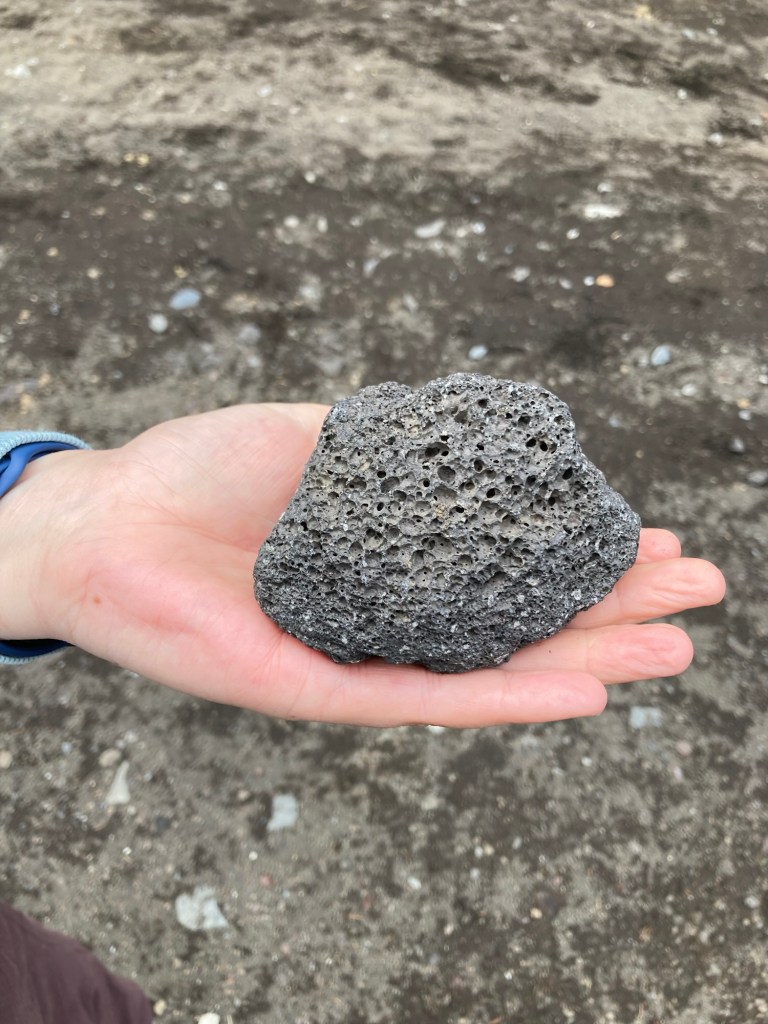
The side of the mountain and the edges of the trail were covered with various sized volcanic rocks.
The views both up the mountain and out to the surrounding lands were beautiful.
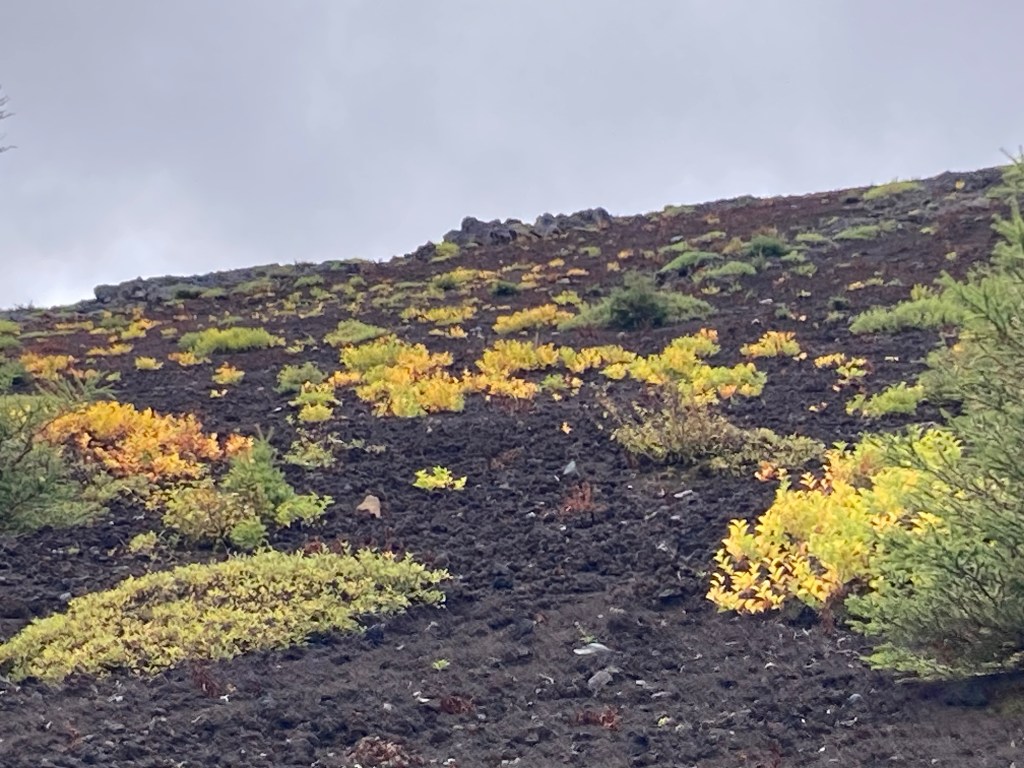
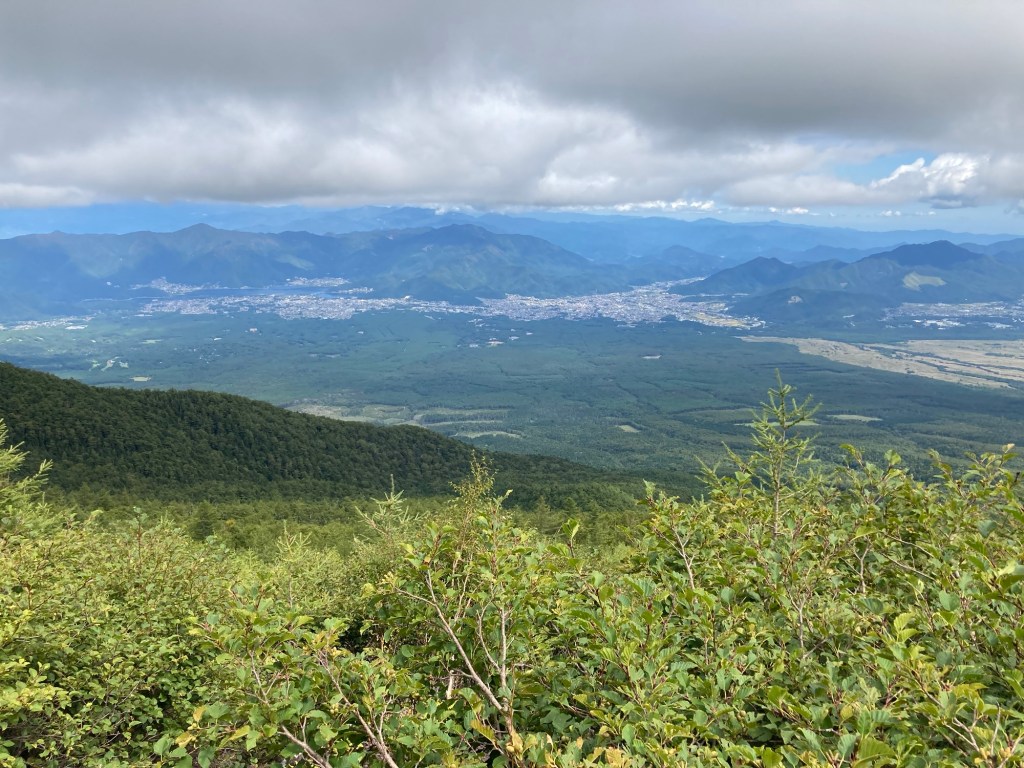
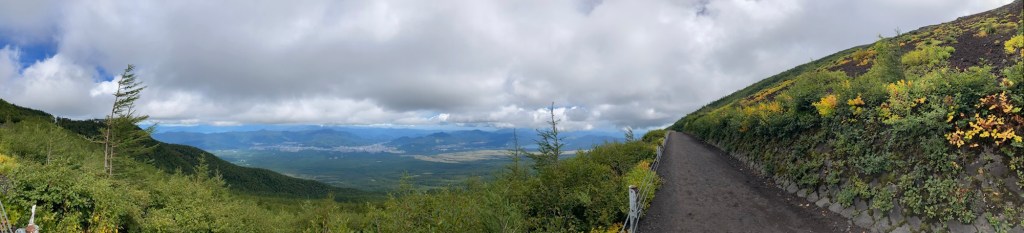
I’d love to properly walk Mount Fuji one day, but that’s for some future time as we had to get back to our coach. We drove back down the mountain and the winding road made poor Xavi quite car sick.
We stopped for lunch at what seemed to be a place specifically for tours to have lunch at – it was like a cross between a truck stop and a dining hall. Several others tours were there, some finishing and some arriving as we ate. The food was surprisingly good and the entertainment was also unexpectedly good, a very dramatic drum show.
Next stop was a wharf for transfer to a ferry ride on the very beautiful Lake Ashi. Some of the ferries were done up to look like ornate sailing ships.
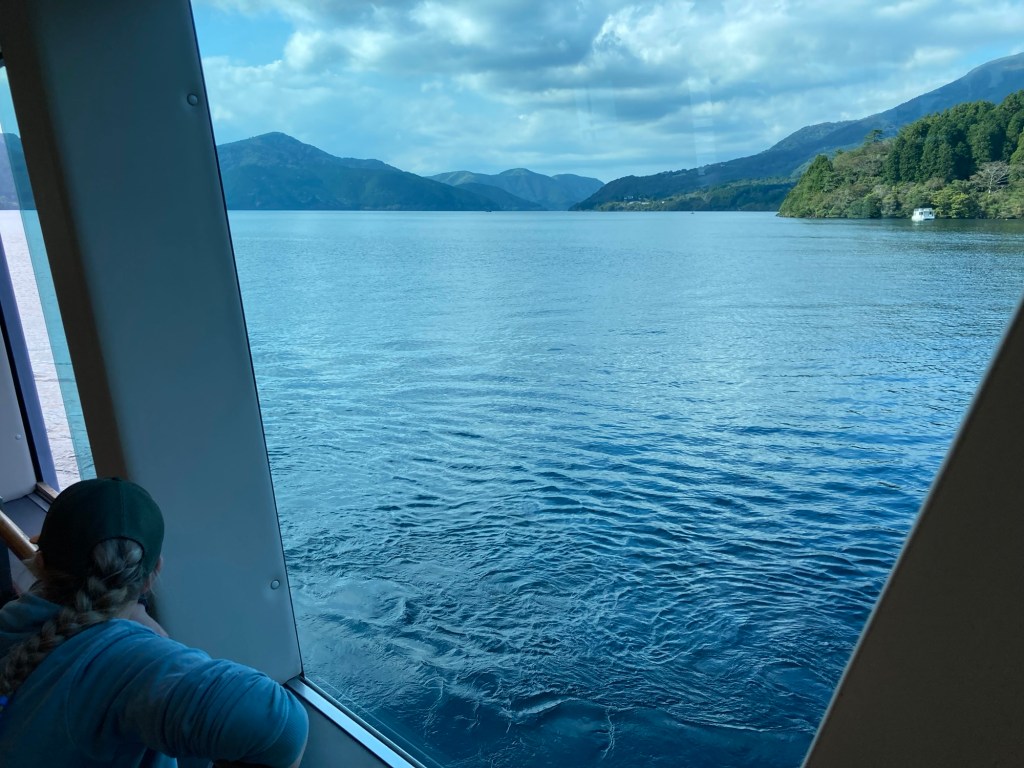
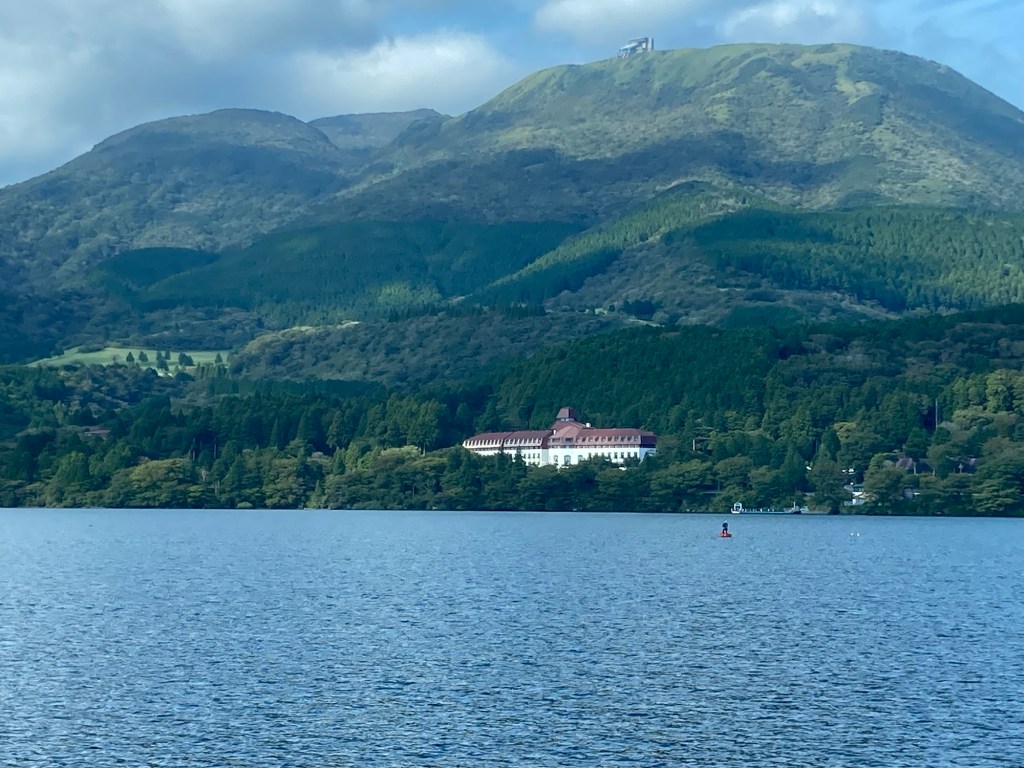
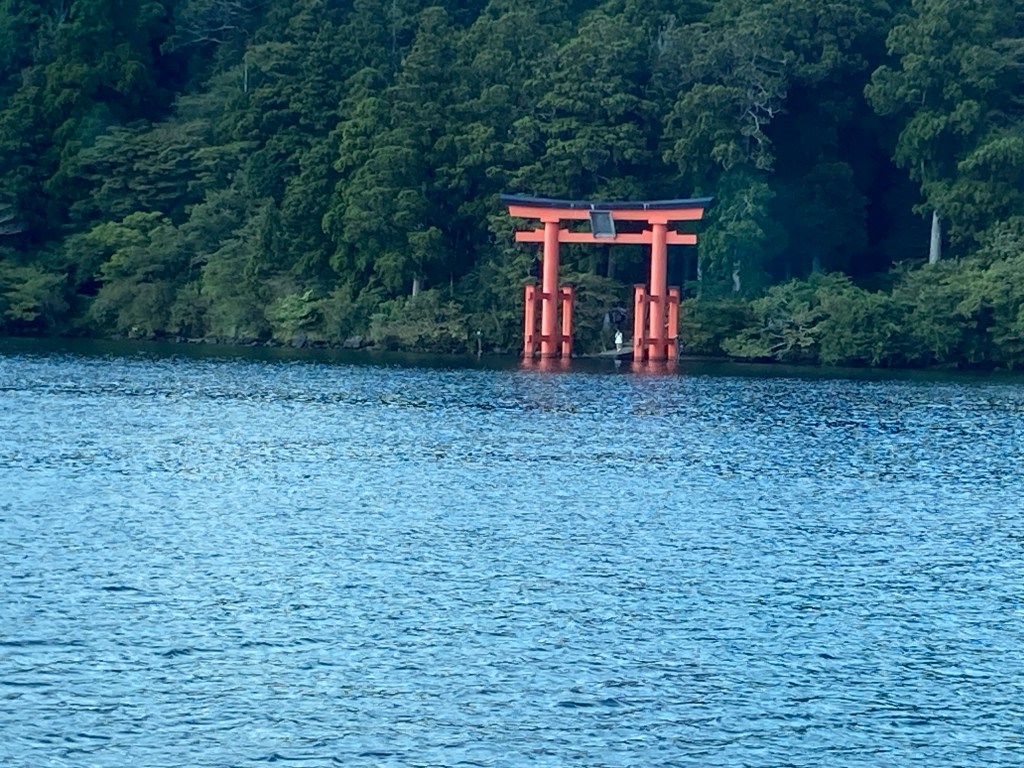
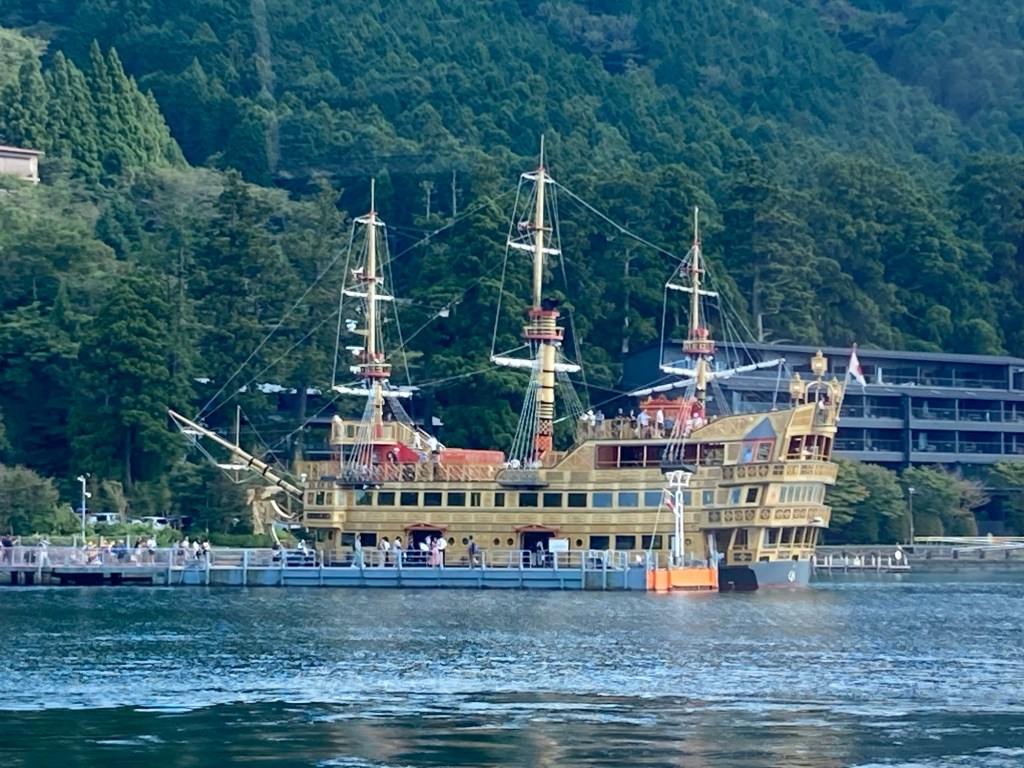
The ferry to took us to the base station of a cable car that travels up part of Mount Hakone to a summit with an old shrine and great view of Mount Fuji on a clear day.
The ride up was beautiful and slightly terrifying. Also very hard to capture photographically. Here’s two videos, one near the beginning and one near the end that give an idea.
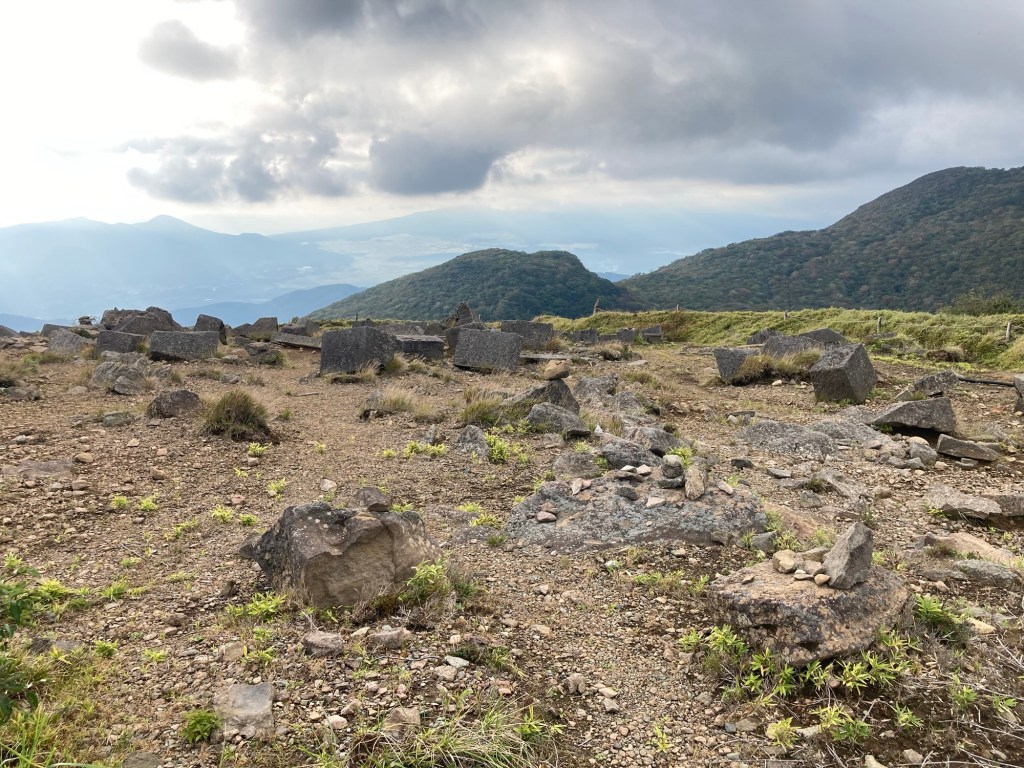
The summit was well worth the journey up. It is hard to describe, but the area around the shrine was both desolate and serene. It very much felt like a sacred area.
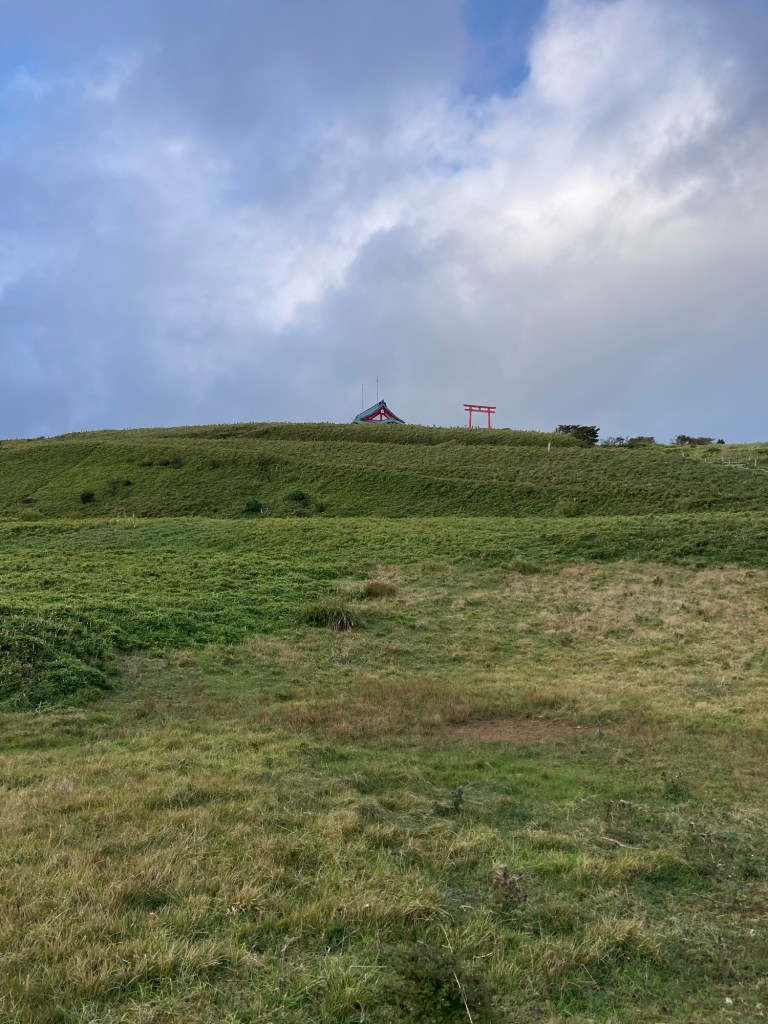
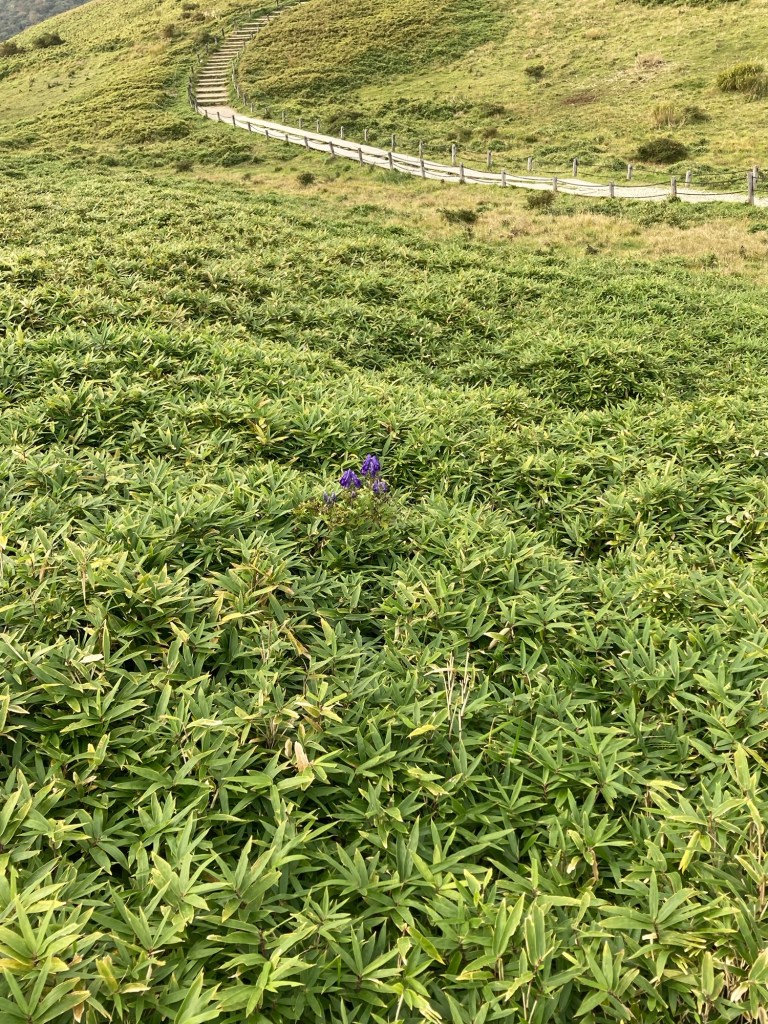
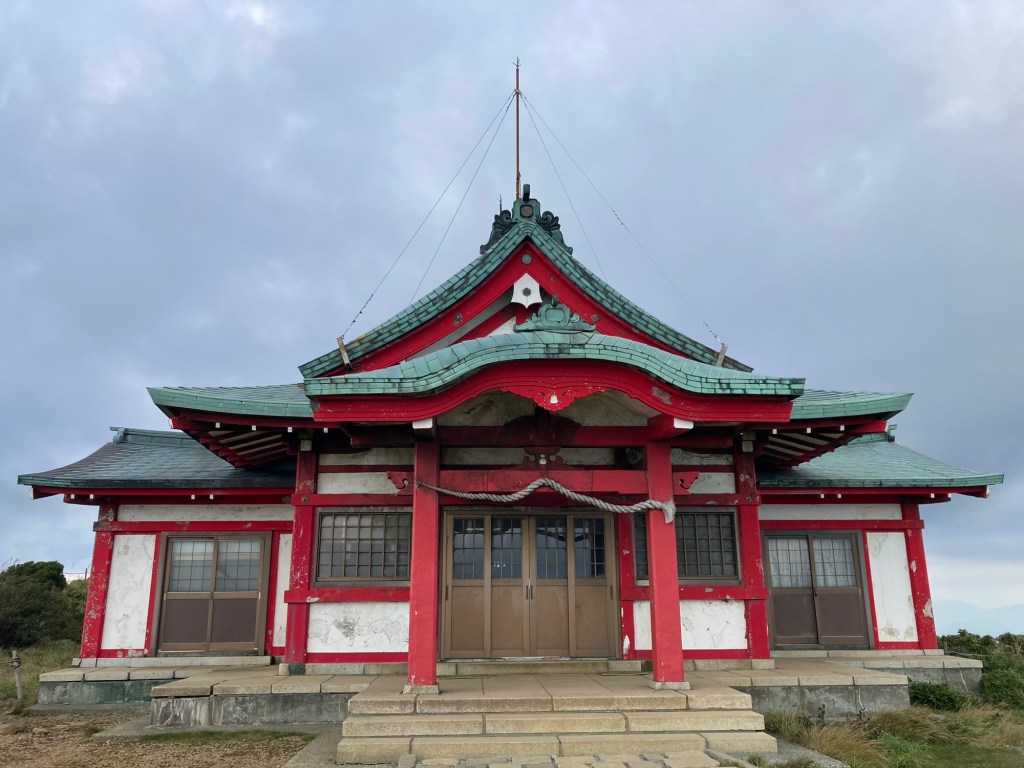
The shrine itself was a weathered and small building, but somehow fit perfectly in the space.
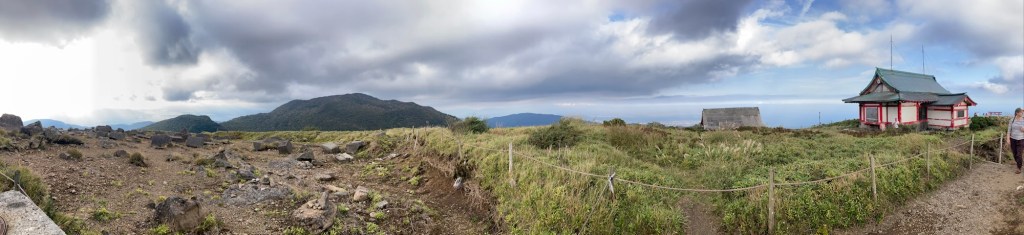
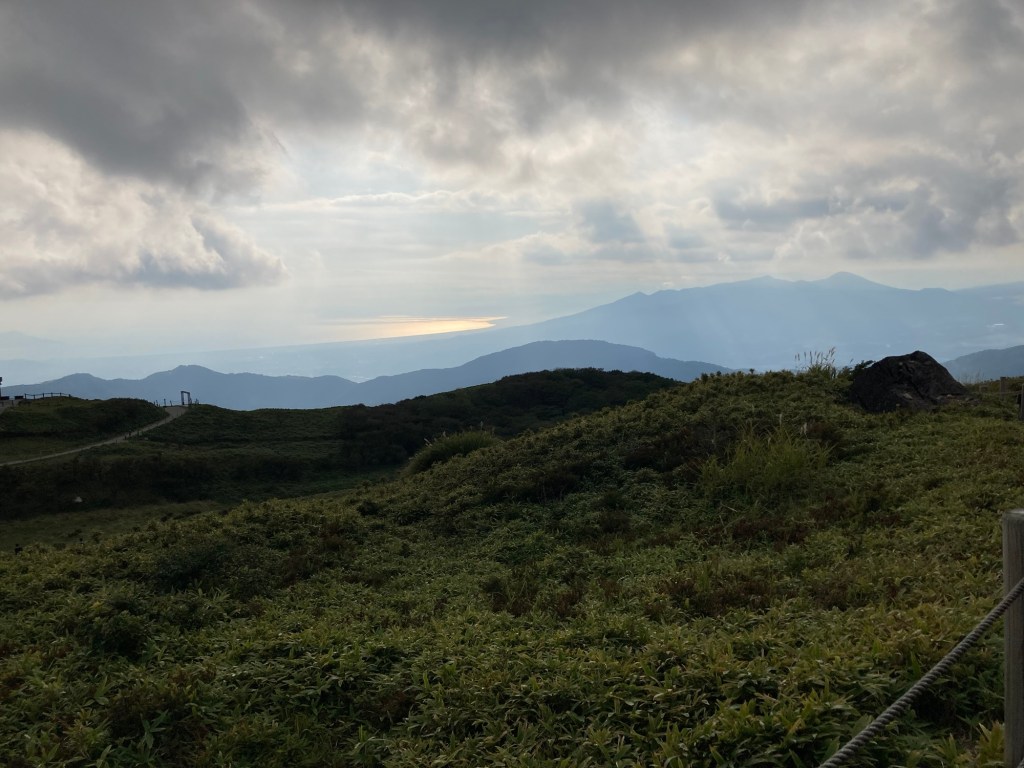
As I mentioned before, the summit of Mount Fuji was covered in clouds. This picture below is the clearest I could get, you can see on the left the slope of Mount Fuji going up into the clouds.

Looking the other way was clearer and we could see the city of Odawara on the coast over 10 kilometres away.
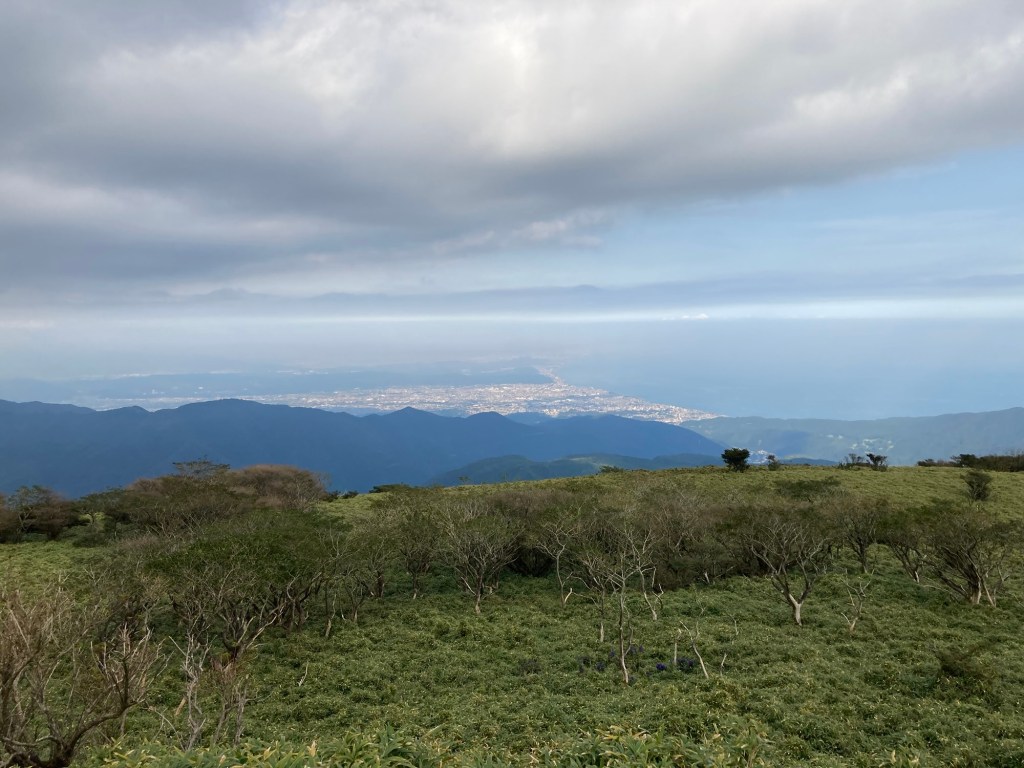
Again it was a place I would have loved to spend more time at, but we had to go back to the cable car to get down to our waiting coach. (I should mention that the cable car stations were huge buildings which I guess are needed for such a long cable.)
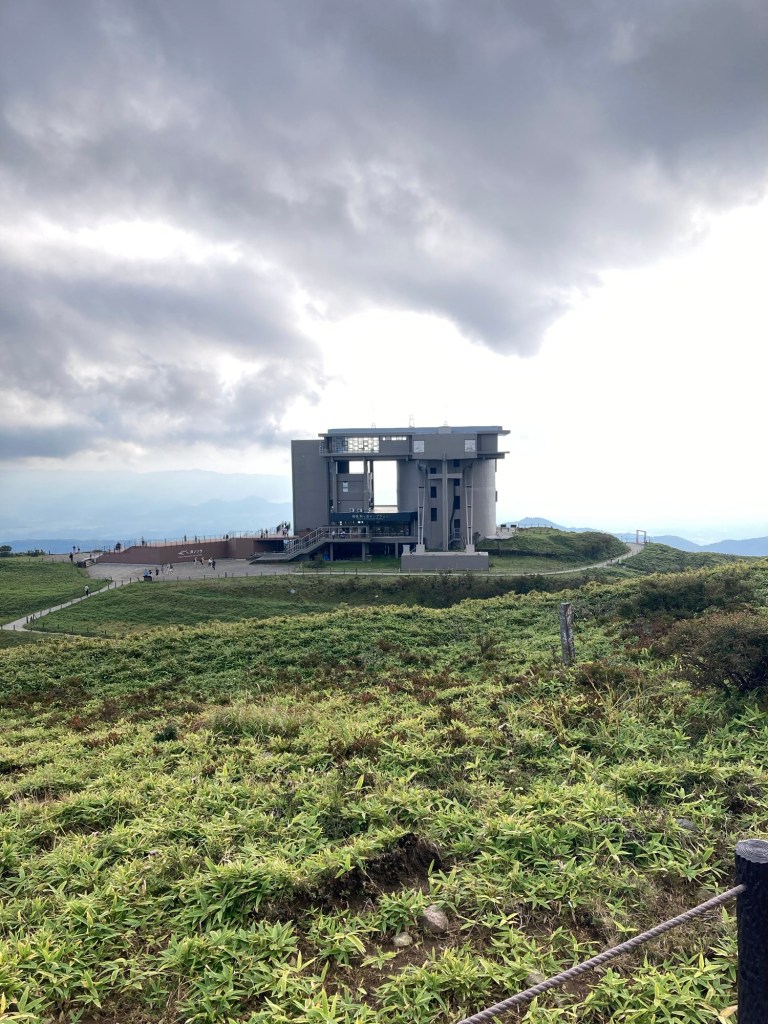
The coach took us to a nearby train station where the final leg of the return journey was by Shinkansen (bullet train). The high speed the train moves at is very noticeable just looking out the window. Not to mention how much quicker the return journey was. We arrived back in Tokyo, took the subway to our hotel, and basically collapsed.
This was my first experience of taking a tour and I’d say that it certainly saved a lot of hassle in organising transport. However, the pace of the tour didn’t suit me, and I’d have preferred to do fewer things more thoroughly. Overall though it was still a great day with many beautiful sights.
(A final note of apology for those reading: My intention had been to write about each day during the evening. However, that’s proved hard to stick to and I’m now a full day behind in my updates. I’ll try to get today’s entry done after the kids are in bed tonight and so be caught up. But I may fall asleep before finishing it.)


 The Rolling Stone
Leave a reply to mysteriously65cc8ad435 Cancel reply